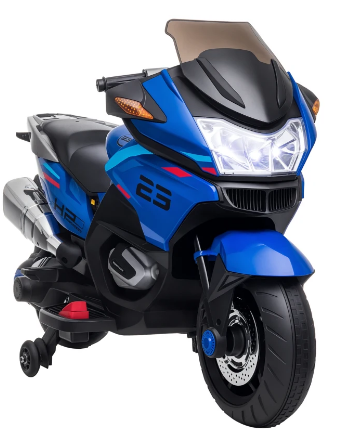
Early childhood is a critical phase where foundational physical and cognitive abilities begin to take shape through active engagement and experiential learning. Among various developmental tools, a ride on bike in India has emerged as a purposeful blend of play and skill-building. Unlike passive toys, it introduces children to motion, direction, and independence in a structured yet enjoyable manner. The integration of movement-based play supports muscle development, coordination, and spatial awareness while encouraging children to explore their environment confidently. Parents today are increasingly prioritizing toys that deliver both engagement and developmental value, making ride-on solutions a practical investment.
This blog examines how thoughtfully designed ride-on products contribute to early mobility skills, strengthen physical capabilities, and nurture confidence. By understanding their broader developmental impact, caregivers can make informed choices that align with a child’s growth trajectory and long-term learning outcomes.
Strengthening Motor Skills Through Active Engagement
A well-designed ride-on bike plays a vital role in enhancing gross motor skills during early childhood. As children learn to push, steer, and balance, they engage multiple muscle groups, particularly in the legs, arms, and core. This repeated physical activity supports strength development while improving overall coordination.
The act of steering requires controlled hand movements, while maintaining direction demands focus and body alignment. These actions collectively refine hand-eye coordination and reaction time. Unlike sedentary play, this form of movement encourages children to remain physically active, which is essential for healthy growth patterns.
Over time, children begin to demonstrate improved balance and control, which are foundational for more advanced physical activities such as cycling or sports. This gradual progression highlights the importance of integrating movement-based toys into daily routines, ensuring that physical development occurs naturally through consistent and engaging play experiences.
Encouraging Cognitive Growth and Spatial Awareness
Beyond physical development, ride-on toys contribute significantly to cognitive advancement. When children navigate spaces using a ride-on bike, they develop an understanding of distance, direction, and spatial relationships. These early experiences form the basis of problem-solving and environmental awareness.
Children learn to assess obstacles, adjust their movements, and make quick decisions, which enhances critical thinking skills. This interaction with surroundings encourages curiosity and exploration, both of which are essential for intellectual development.
Additionally, the cause-and-effect relationship becomes evident as children realize how their actions influence movement. Turning the handle changes direction, and pushing harder increases speed. These realizations strengthen logical reasoning and reinforce learning through experience.
Such cognitive engagement ensures that playtime becomes an opportunity for meaningful learning, where children actively process information and adapt their actions accordingly, building a strong foundation for future academic and real-world challenges.
Building Confidence and Independent Mobility
One of the most significant benefits of ride-on toys is their ability to foster independence in young children. As they gain control over movement, children begin to develop a sense of autonomy and self-assurance. Successfully navigating their surroundings reinforces confidence and encourages them to take initiative.
This independence is not only physical but also emotional. Children feel empowered when they can move without assistance, which positively impacts their self-esteem. The sense of achievement gained from mastering basic mobility skills motivates them to explore further and embrace new challenges.
Parental supervision remains important, but the gradual reduction of assistance allows children to build trust in their abilities. This balance between guidance and independence is crucial for healthy emotional development.
Over time, this confidence extends beyond play, influencing how children approach learning, social interactions, and problem-solving situations in their everyday lives.
Supporting Safe Exploration and Risk Awareness
Safe exploration is a key aspect of childhood development, and ride-on toys provide a controlled environment for children to understand boundaries and risks. Through guided play, children learn how to navigate spaces responsibly while recognizing potential hazards.
A battery-operated toy bike introduces manageable levels of risk, allowing children to experience movement without significant danger. This controlled exposure helps them develop judgment and awareness, which are essential life skills.
Parents can further enhance safety by selecting models with stable конструкции, smooth edges, and reliable control systems. These features ensure that children can explore confidently while minimizing the likelihood of accidents.
Learning to stop, turn, and adjust speed teaches children how to respond to changing conditions. These experiences contribute to better decision-making and situational awareness, preparing them for more complex environments as they grow older.
Long-Term Developmental Value and Practical Benefits
Investing in a ride-on bike offers long-term developmental advantages that extend beyond early childhood. These toys often serve as a stepping stone to more advanced mobility tools, such as bicycles, by establishing essential skills like balance and coordination.
Durability and adaptability are key factors that enhance their long-term value. High-quality models can accommodate a child’s growth, ensuring extended usability and consistent engagement. This makes them a cost-effective choice for families seeking both functionality and longevity.
Additionally, these toys encourage outdoor activity, reducing screen time and promoting a healthier lifestyle. The combination of physical exercise and interactive play contributes to overall well-being and sustained developmental progress.
By focusing on both immediate and future benefits, parents can ensure that their investment supports continuous growth, making ride-on toys a meaningful addition to a child’s developmental journey.
Conclusion
Ride-on toys have evolved into purposeful developmental tools that combine physical activity with cognitive growth and emotional development. Their ability to strengthen motor skills, enhance spatial awareness, and build confidence makes them highly valuable during early childhood. Thoughtfully chosen ride on cars not only supports mobility but also encourages independence and safe exploration, laying the groundwork for lifelong learning and adaptability.
For parents seeking reliable and thoughtfully designed options, ISAKAA offers a curated selection that aligns with modern expectations of safety, durability, and developmental value. Each product is crafted to support essential mobility skills while ensuring a secure and engaging play experience. With a focus on quality and innovation, ISAKAA enables families to invest in solutions that contribute meaningfully to a child’s physical development, confidence, and long-term learning journey.