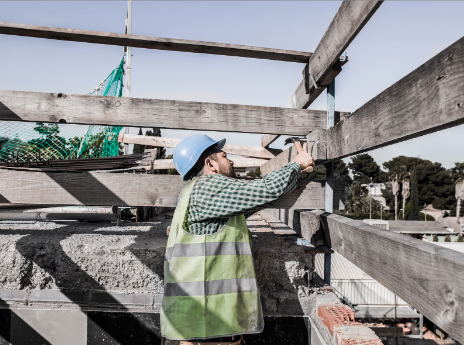
Modern civil engineering is undergoing a major transformation driven by advanced digital tools that improve accuracy, efficiency, and innovation in structural design. Engineers today rely on intelligent software systems to visualize, analyze, and optimize building structures before construction begins. This shift has significantly reduced design errors and improved project delivery timelines across the industry.
The use of civil design software has become essential in handling complex structural calculations and creating precise building models. These tools allow engineers to simulate real-world conditions, ensuring safety, compliance, and cost-effectiveness in every stage of development. As infrastructure demands grow globally, digital design solutions are becoming the backbone of modern civil engineering practices.
Designing the Future of Infrastructure with Intelligent Engineering Tools
Modern construction projects depend heavily on digital modeling and simulation technologies that support accurate decision-making. Engineers no longer rely only on manual calculations; instead, they use advanced platforms that integrate design, analysis, and optimization in a single workflow. Tools like civil engineering building design software are now essential for managing multi-story structures, complex geometries, and large-scale infrastructure projects.
These innovations help engineers understand structural behavior under different conditions, improving safety and efficiency while reducing material waste and construction risks.
1. Advanced Structural Modeling for Accurate Design Planning
Modern civil engineering software enables detailed 2D and 3D structural modeling that represents real-world building behavior. Engineers can create highly detailed digital prototypes of structures before actual construction begins. This helps in identifying design flaws early, optimizing material usage, and ensuring that the final structure meets safety and performance standards. Advanced modeling also supports better visualization, making it easier for stakeholders to understand project outcomes.
2. Integration of Analysis and Design in a Single Platform
One of the key advantages of modern tools is the integration of structural analysis and design within a unified system. Engineers can calculate load distribution, stress points, and structural stability without switching between multiple applications. This integration improves workflow efficiency, reduces errors, and ensures that design modifications are immediately reflected in analysis results, enabling faster and more reliable decision-making.
3. Improved Accuracy Through Code-Based Engineering Standards
Civil engineering software is built to comply with international design codes and safety standards. This ensures that all structural calculations meet regulatory requirements and industry benchmarks. Engineers can select appropriate codes depending on project location and type, reducing compliance risks and improving approval processes. This accuracy is critical for high-rise buildings, bridges, and infrastructure projects where safety is a top priority.
4. Real-Time Simulation and Performance Testing
Modern tools allow engineers to simulate real-world conditions such as wind loads, seismic activity, and material stress. These simulations help predict how a structure will perform over time, allowing for proactive design improvements. Real-time testing reduces uncertainty and ensures that potential risks are identified and addressed before construction begins, significantly improving project reliability and safety outcomes.
5. Enhanced Collaboration Through BIM and Digital Workflows
Building Information Modeling (BIM) has transformed the way civil engineers collaborate. Multiple stakeholders can work on the same digital model simultaneously, improving communication between architects, engineers, and contractors. This reduces project delays and ensures that all teams are aligned throughout the construction lifecycle. It also enhances transparency and reduces the chances of costly design conflicts.
6. Automation and AI-Driven Optimization in Structural Design
Artificial intelligence is increasingly being integrated into civil engineering tools to automate repetitive tasks and optimize structural performance. AI-powered systems can suggest design improvements, detect errors, and even predict material efficiency. This reduces manual workload and enhances creativity, allowing engineers to focus on innovative design solutions rather than routine calculations.
Digital Engineering Transformation in Structural Design Practices
The evolution of civil engineering has been strongly influenced by software platforms that support advanced analysis, modeling, and construction planning. Among these, ETABS-based building design has become one of the most widely used approaches for analyzing multi-story buildings and complex structural systems.
These digital platforms are not just tools—they represent a complete shift toward data-driven engineering, where every design decision is backed by simulation, analytics, and computational accuracy.
1. Structural Analysis for High-Rise and Complex Buildings
Modern engineering tools are specifically designed to handle complex structures such as skyscrapers, industrial buildings, and bridges. They analyze load distribution, seismic behavior, and material performance under different conditions. This ensures structural integrity and long-term durability while minimizing construction risks and unexpected failures.
2. Precision in Load and Stress Calculation Systems
Accurate load calculation is essential for safe structural design. Advanced software automatically calculates dead loads, live loads, and environmental forces, ensuring that every part of the structure is optimized for stability. This precision reduces human error and enhances the reliability of engineering outcomes.
3. Efficient Structural Optimization Techniques
Modern tools allow engineers to optimize designs for cost, material usage, and performance. By analyzing different design scenarios, engineers can select the most efficient structural configuration. This reduces waste, lowers construction costs, and improves sustainability in large-scale projects.
4. Seamless BIM Integration for Construction Coordination
BIM integration ensures that structural designs are compatible with architectural and mechanical systems. This coordination improves construction efficiency and reduces on-site conflicts. It also enhances project scheduling and resource planning, making large infrastructure projects more manageable and predictable.
5. Cloud-Based Engineering Collaboration Systems
Cloud technology allows engineers to access and modify design data from anywhere. This improves flexibility and enables real-time collaboration across global teams. Cloud-based systems also ensure data security and version control, reducing the risk of design inconsistencies.
6. Future-Ready Engineering Through Smart Automation
Automation tools are shaping the future of civil engineering by reducing manual effort and increasing design intelligence. These systems can generate design alternatives, test performance scenarios, and recommend improvements based on data-driven insights, making engineering more efficient and innovative.
Conclusion
The future of civil engineering lies in the seamless integration of advanced digital tools that enhance precision, safety, and efficiency in structural design. As infrastructure demands continue to grow, the use of intelligent software solutions becomes essential for delivering high-quality engineering outcomes.For professionals seeking advanced solutions in structural modeling and analysis, Civilera provides powerful engineering platforms designed for modern construction needs. Their expertise in tools like building design in ETABS helps engineers create accurate, efficient, and reliable structural systems that meet today’s complex infrastructure challenges.