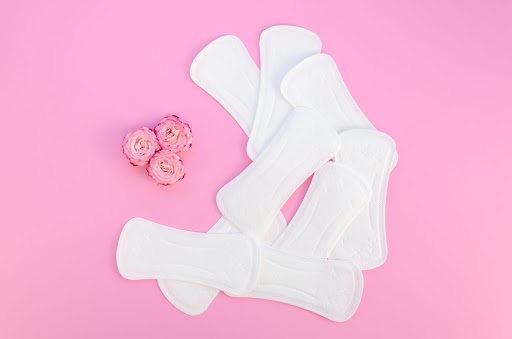
Not all skin behaves the same. Some react fast. Redness. Itching. Burning. Especially during periods, when the skin is already more delicate. Friction increases. Moisture builds up. And suddenly, what should feel normal becomes uncomfortable.
Sanitary pads, though essential, can sometimes trigger these reactions. The materials. The chemicals. Even the design. For sensitive skin, these small factors matter a lot.
Understanding Sensitive Skin and Menstrual Care
Sensitive skin doesn’t ask for permission. It reacts sometimes instantly, sometimes slowly to what touches it. During menstruation, this becomes even more noticeable. The constant friction, moisture, and contact with materials can turn a normal cycle into days of discomfort.
That’s where choosing the right sanitary pads matters more than most people think. Not all products are created with delicate skin in mind. Some contain synthetic layers, fragrances, or chemicals that can trigger redness, itching, or even painful rashes.
Common Causes of Rashes and Irritation
Rashes during periods are more common than openly discussed. They don’t always come from poor hygiene. Often, the issue lies in the product itself.One major cause is prolonged moisture. When sweat and menstrual flow combine, they create a damp environment that encourages irritation. Add heat and friction, and the skin barrier starts breaking down.
Another factor is the material used in many sanitary pads. Plastic back sheets, artificial fragrances, and bleaching agents can all contribute to allergic reactions. Even tight clothing can worsen the problem by increasing friction and trapping heat.
Choosing the Right Materials for Comfort
If your skin reacts easily, material matters more than brand names or marketing claims. Look for products made with organic cotton or plant-based fibers. These are generally softer, breathable, and less likely to cause reactions.Avoid heavily scented options. Fragrance might seem appealing, but it’s one of the most common triggers for irritation.
Unscented sanitary pads are usually the safer choice for sensitive skin.Breathability is another critical factor. Pads designed with airflow in mind help reduce moisture buildup. This keeps the skin dry and lowers the risk of rashes.
Importance of Changing Pads Frequently
Even the best product won’t help if it’s not used properly. One of the simplest ways to avoid irritation is changing your pad regularly.A general rule is every 4–6 hours, but this can vary depending on your flow.
During heavy days, more frequent changes are necessary.Leaving a pad on for too long increases moisture, friction, and bacterial growth all of which contribute to discomfort. Clean, dry conditions are essential for maintaining skin health during your cycle.
Hygiene Practices That Make a Difference
Good hygiene isn’t complicated, but it does require attention. Washing the intimate area with lukewarm water and a mild, fragrance-free cleanser can help maintain balance.Avoid harsh soaps or excessive scrubbing. These can strip natural oils and make the skin more vulnerable.
After washing, gently pat the area dry instead of rubbing.Wearing breathable underwear, preferably cotton, also helps reduce moisture buildup. Tight synthetic fabrics can trap heat and worsen irritation.
Recognizing Early Signs of Irritation
Your body usually gives subtle warnings before a full-blown rash appears. Ignoring them often leads to more discomfort later.Mild itching, slight redness, or a burning sensation are early signs. At this stage, switching to a gentler product or increasing the frequency of pad changes can prevent things from escalating.
If irritation persists, it might be worth trying a different type of sanitary pads altogether. Sometimes, even a minor change in material can make a big difference.
Natural Remedies for Relief
When irritation does occur, simple remedies can help soothe the skin. Applying a thin layer of coconut oil or aloe vera gel can provide relief from dryness and itching.Cold compresses can also reduce inflammation and calm the affected area.
Just make sure anything applied is clean and free from added chemicals or fragrances.It’s important to avoid scratching, even if the urge is strong.
When to Consider Alternative Options
For some people, even the best pads may still cause discomfort. In such cases, exploring alternatives might be helpful.Menstrual cups or period underwear can reduce direct contact with the skin and minimize friction.
However, these options also require proper hygiene and may not suit everyone.If you prefer sticking with sanitary pads, consider ultra-thin, organic, or reusable cloth versions designed specifically for sensitive skin.
Building a Comfortable Period Routine
Comfort during menstruation doesn’t come from a single change. It’s a combination of the right products, good hygiene, and paying attention to your body’s signals.Choosing suitable sanitary pads, changing them regularly, and maintaining cleanliness can transform your experience.
Add breathable clothing and gentle care, and the difference becomes noticeable.There’s no one-size-fits-all solution.
Conclusion
Choosing the right sanitary pads plays a crucial role in preventing rashes and irritation, especially for sensitive skin.Opting for soft, breathable, and chemical-free materials can significantly improve comfort during your cycle.Maintaining proper hygiene and changing pads regularly helps keep the skin dry and healthy.
Paying attention to early signs of irritation allows you to take quick action before it worsens.With the right habits and products, you can experience a more comfortable and irritation-free period.