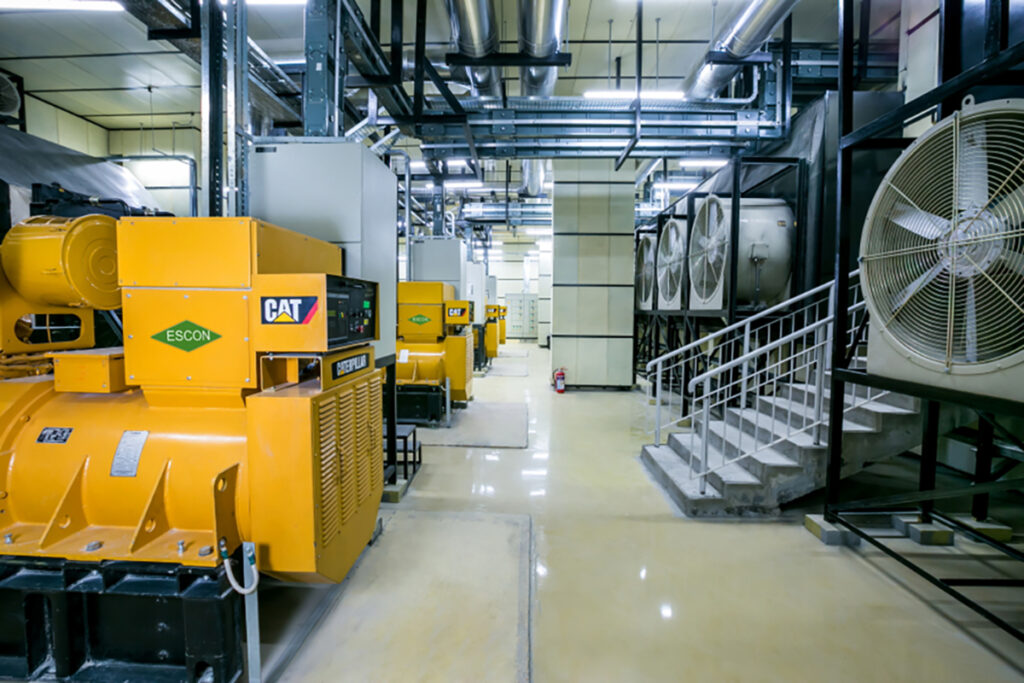
In today’s world, be it a home or a business, having a power backup is a must to keep things in motion at all times, and for that, generators have become essential. Whether it’s a hospital relying on life-saving equipment or a manufacturing plant powering heavy machinery, even a short power cut can become catastrophic. Generators step in as dependable backup systems, but they also bring an unavoidable challenge: noise.
While systems like a Mahindra Powerol generator are known for their performance and reliability, their various mechanical processes naturally create high noise levels. This is where acoustic room treatment becomes vital.
Understanding Acoustic Room Treatment
Simply put, acoustic room treatment refers to modifying the generator room to reduce and control noise produced while the generator is functioning. This involves using a combination of sound-absorbing materials, acoustic panels, baffles, wall and ceiling treatments, and specialised room design.
However, modern acoustic solutions aren’t about simply adding more layers. ESCON follows a design philosophy that focuses on acoustic efficiency while maintaining generator performance. Over-insulation can trap heat, causing engine derating, a situation where excess warmth forces the generator to reduce power output. This not only affects performance but can harm the equipment over time.
ESCON’s approach ensures that sound and heat are both managed well, so the generator stays cool, efficient, and quiet.
Why Generators Need Noise Control
Generators work by converting fuel, either diesel or gas, into electrical energy. This process involves rapid combustion, high-speed movement of engine components, and vibration. In a confined space, these noises intensify, making the surrounding environment uncomfortable and unsafe.
Excessive noise impacts workers in multiple ways:
- It disrupts communication
- Increases stress and fatigue
- Affects concentration and productivity
- Can have long-term effects on hearing
In commercial and residential areas, prolonged generator noise can lead to conflicts with the local community and the authorities alike. For these reasons, reducing noise is a requirement for operational safety, employee well-being, and regulatory compliance.
How Acoustic Enclosures and Treated Rooms Work
Acoustic enclosures and specially treated rooms reduce noise through a combination of high-quality materials and intelligent design. Instead of merely blocking sound, they absorb and diffuse it to prevent echo, vibration, and reflection.
Common materials include:
Acoustic Foam
Used inside generator rooms to reduce echo and lower vibration-related noise. Its ability to absorb mid-frequency sound waves makes it an effective first line of sound control.
Fibreglass Panels
These provide both acoustic and thermal insulation. They help maintain room temperature while also preventing sound from bouncing back.
Silicate Fibre
This material offers temperature resistance, ideal for environments where the generator runs for long durations and produces significant heat.
Mineral Boards
Their high density and durability make them excellent at absorbing sound waves and preventing noise escape.
Together, these materials create a balanced environment where heat is managed and noise is significantly reduced.
Key Benefits of Acoustic Room Treatment
Investing in room treatment goes far beyond reducing sound. Its advantages extend to safety, productivity, and equipment longevity.
1. Noise Reduction
Noise levels are lowered to safe, comfortable limits. This is essential for workplaces where communication and focus matter, especially when the generator must run for long hours.
2. Improved Productivity
A quieter environment helps reduce stress, allowing workers to stay focused and efficient. Lower noise levels can also enhance communication in emergency settings.
3. Weather Protection
Acoustic treatments also act as protective enclosures, shielding the generator from dust, rain, heat, and other environmental factors that could shorten its lifespan.
4. Thermal Management
Soundproofing is not effective if it traps heat. ESCON’s designs maintain proper airflow so the generator doesn’t overheat, ensuring continuous and reliable operation.
5. Regulatory Compliance
Government bodies have strict noise regulations. For instance, the Central Pollution Control Board (CPCB) mandates that generator noise should remain under 75 dB(A) at a distance of one meter when the generator operates at 75% load. ESCON’s solutions consistently meet these standards.
6. Enhanced Safety
Proper ventilation and heat management reduce the risk of mechanical stress, fire hazards, and equipment failure.
7. Functional and Aesthetic Integration
Acoustic treatments can be designed to align with the overall layout of the facility, offering a clean, functional, and professional appearance.
ESCON’s sound reduction approaches are especially effective for multiple-generator setups or high-capacity systems. By optimising air inlet and outlet designs, ESCON enables smooth airflow while still maintaining excellent sound attenuation.
ESCON’s Expertise in Acoustic Solutions
With more than 15 years of experience, ESCON has become one of the most trusted names in generator noise control. Their designs are engineered to comply with CPCB guidelines and accommodate various industrial requirements.
A notable example is ESCON achieving sound levels as low as 55 dB(A), even with two 600 kVA generator sets running simultaneously. This is an impressive benchmark considering the regulatory limit is 75 dB(A). Such levels are possible due to precision engineering, material expertise, and a deep understanding of generator performance systems, whether it’s a high-capacity setup or a smaller Mahindra Powerol generator installation.
Final Thoughts
Noise control is safety, efficiency and operational excellence. With ESCON’s advanced acoustic room treatment, businesses benefit from quieter environments, improved protection for their equipment, and compliance with important standards.
Whether it’s a small backup unit or a bank of heavy-duty gensets powering a large facility, thoughtful acoustic design ensures consistent performance without compromising generator health.