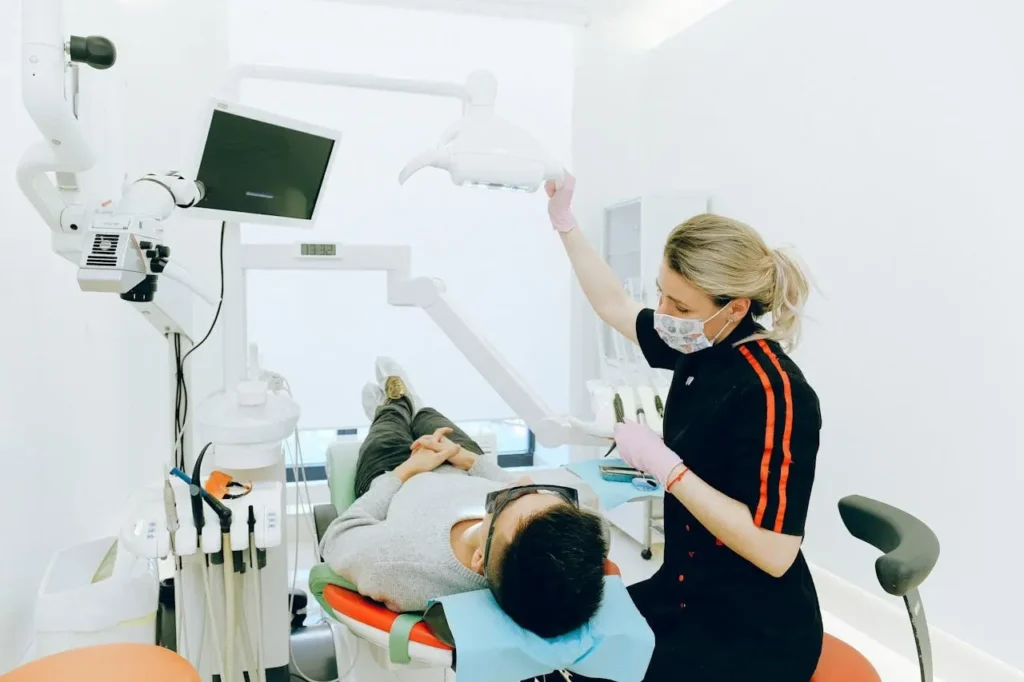
When you intend to work or reside in one of the Gulf nations, one of the things that you must undertake during your visa application process is the clearing of the GAMCA medical examination. Most applicants are anxious before the test only in the fact that they are not even aware of what medical checks are entailed.
The knowledge of the medical tests involved in the GAMCA examination will, in turn, allow you to prepare better, prevent some needless mistakes and increase your likelihood of passing the test the first time around. This blog will guide you on the tests that are generally conducted in the recruitment process, the reasons why they are needed, and some of the tips that we can share with you, based on the experience of real applicants.
What Is the GAMCA Medical Examination?
GAMCA medical examination (since replaced by Wafid system) is a standardised health examination that is mandated by GCC countries (Saudi Arabia, UAE, Kuwait, Qatar, Oman and Bahrain).
These examinations guarantee that the foreign employees and residents are healthy and not infected with communicable diseases that can be a health hazard to the populace.
Frequent Medical Examinations in GAMCA Examination.
1. Blood Test
One of the most significant components of the GAMCA medical examination is blood tests. They are applied in the identification of severe and transmissible illnesses.
What is assayed in blood tests?
- HIV
- Hepatitis B
- Hepatitis C
- Blood sugar levels (Diabetes)
Practical tip:
Take care not to consume alcohol and oily food at least 4872 hours before your test to give the right result.
2. Chest X-Ray
A chest X-ray is required to investigate Tuberculosis (TB) and other lung-related infections.
Why it matters:
The GCC nations have stringent TB screening policies. Old scars may also influence the outcomes.
Practical tip:
In case you are coughing, have some fever or a chest infection, then it is preferable to wait before you are completely cured before you can have your medical test done.
3. Urine Test
- Urine testing is done to examine:
- Kidney function
- Sugar levels
- Signs of infection
The test is also useful in the detection of underlying health conditions that might not be manifested.
Practical tip:
Take water in moderation before the test, but do not take too much just before collecting the samples.
4. Blood Pressure Check
High blood pressure is a medical condition that is of great concern during GAMCA tests, particularly when an applicant is older than 30 years.
Why it matters:
Unregulated BP can be a sign of chronic disease hazards.
Practical tip:
Rest better than the test day and do not take caffeine during the test day.
5. Doctor Physical Examination.
General physical check is done by a certified physician to ascertain overall fitness.
This may include:
- Measurement of height and weight.
- Vision check
- General body assessment
Practical tip:
Dress well and tell the truth about your health history.
6. Blood Sugar (Diabetes) Test
Fasting and random blood sugar level could be monitored both, basing on your age and health history.
Why it matters:
Diabetes may also cause medical rejection when uncontrolled.
Practical tip:
Provided that you are diabetic, you should take your prescribed drug regularly and adhere to dietary prescriptions before the test.
7. Liver Function Test (LFT)
Liver functioning tests are conducted to examine the liver health and uncover alcohol related or infection related complications.
Practical tip:
Should not consume alcohol and superfluous medicine prior to the medical examination.
Are All the Applicants subjected to the same tests?
The standard tests are passed through by most applicants though supplementary tests can be requested depending on:
- Age
- Job category
- Medical history
- Destination GCC country
As an example, drivers and labor workers can undergo more rigid fitness tests.
How to Prepare GAMCA Medical Examination.
- Before booking a basic health check is taken locally.
- Bring original passport and wafid appointment slip.
- Do not smoke or drink alcohol in advance of the test.
Stay relaxed and hydrated
In such cities as Delhi, Mumbai, Chennai, Hyderabad, and Kochi, applicants are generally sailed through when they are well prepared.
Conclusion
This is because fear and confusion are eliminated by knowing what medical tests are in the GAMCA examination. Such tests are meant to guarantee the safety of the people and your future health working in the Gulf countries.
Clearing can be achieved with much ease and stress free when one has done the necessary preparations, told the truth and planned at the right time when it comes to appearing before the GAMCA (Wafid) medical exams.
Frequently asked questions- Medical Tests included in GAMCA Examination.
1. Is GAMCA medical testing painful?
No, the majority of tests are routine, such as samples of blood and urine, and they are mostly painless.
2. May I have a meal before the GAMCA medical exam?
Light food is normally permitted, but it is advisable to avoid heavy or oily food. Follow the centre instructions.
3. What is the duration of the GAMCA medical test?
The whole procedure typically lasts 2-4 hours, based on the crowd and the effectiveness of medical centres.
4. Will I fail the GAMCA medical test because my BP is high or my sugar level is high?
Yes, medical unfitness may be caused by uncontrolled BP or diabetes.
5. Are Wafid’s medical examination and GAMCA similar?
Yes, the new system is Wafid, which is used to run GAMCA medical examinations now.