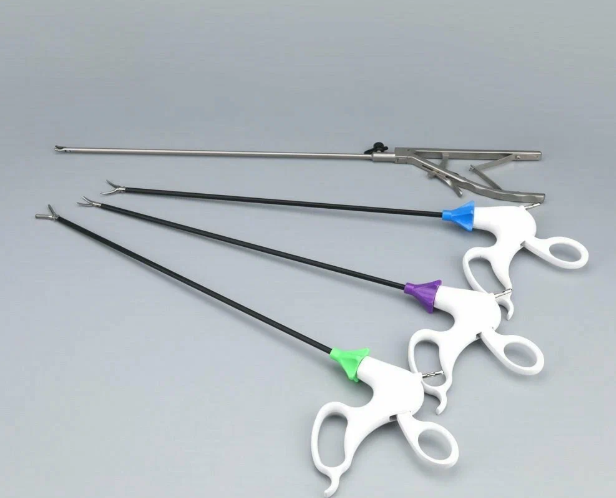
Laparoscopic instruments price has become an important consideration for hospitals, clinics, and surgical centers aiming to balance quality with affordability. The rise of minimally invasive procedures has increased the demand for advanced tools that offer precision, durability, and ease of use, but decision-makers are now equally focused on understanding what drives pricing in this specialized segment.
Modern laparoscopic surgery depends heavily on instruments that support accuracy through small incisions and controlled movements. As technology advances, both the quality and complexity of these tools continue to improve, influencing how healthcare providers evaluate investments. This growing awareness is not just about purchasing equipment but about understanding long-term value, performance consistency, and patient outcomes.
This blog explores how pricing is structured, what factors influence it, and why the right choice in surgical tools can significantly impact both medical efficiency and financial planning in healthcare institutions.
The Evolution of Laparoscopic Surgical Equipment
Laparoscopic surgery has revolutionized modern medicine by replacing large incisions with smaller, more controlled procedures. This shift has led to the development of highly specialized instruments designed to operate in restricted spaces while ensuring maximum precision. Over time, these tools have evolved from basic mechanical devices to advanced ergonomic systems built for high performance.
As demand for minimally invasive procedures grows, healthcare providers are increasingly evaluating not just functionality but also long-term sustainability. This naturally leads to discussions around investment and value, where laparoscopic instruments cost becomes a key factor in procurement decisions. The evolution of these tools reflects a balance between technological advancement and affordability, making it essential for buyers to understand what they are truly investing in.
Key Factors That Influence Surgical Instrument Pricing
The pricing of laparoscopic tools is not determined by a single factor but rather a combination of design complexity, material quality, manufacturing precision, and technological integration. High-grade stainless steel and advanced alloys used in production contribute significantly to durability and performance, which directly affects overall value.
Another important aspect is engineering precision. Instruments that require tighter tolerances and advanced manufacturing processes naturally fall into a higher price range. Additionally, innovation in ergonomic design, which enhances surgeon comfort and reduces fatigue during long procedures, also plays a role in determining overall cost structure.
When hospitals assess instrument cost, they are essentially evaluating long-term efficiency rather than just initial investment. A higher upfront cost may often translate into reduced maintenance, longer lifespan, and better surgical outcomes, making it a more economical choice over time.
Why Quality Matters More Than Initial Pricing
In surgical environments, precision is not optional, it is essential. Even minor inconsistencies in instrument performance can affect surgical accuracy and patient recovery. This is why healthcare professionals often prioritize quality over short-term savings when selecting laparoscopic tools.
Well-designed instruments provide better control, smoother handling, and improved visibility during procedures. These features directly contribute to reduced operation time and fewer complications. While laparoscopic instruments’ price may vary across manufacturers, the real value lies in how consistently the instruments perform under critical conditions.
Hospitals that focus solely on lower pricing often end up facing higher maintenance costs and frequent replacements. In contrast, investing in reliable instruments ensures long-term operational efficiency and improved surgical outcomes, making quality a more sustainable financial decision.
Balancing Budget and Performance in Healthcare Procurement
Healthcare institutions operate within strict budget frameworks, making procurement decisions highly strategic. Balancing cost and performance requires a deep understanding of both immediate financial limitations and long-term operational needs.
When evaluating surgical equipment, administrators often compare specifications, durability, warranty terms, and service support alongside pricing structures. The concept of laparoscopic instruments’ cost extends beyond purchase value and includes factors such as maintenance cycles, replacement frequency, and compatibility with modern surgical systems.
A well-balanced procurement strategy ensures that hospitals do not compromise on patient care while staying within financial boundaries. This approach helps create a sustainable healthcare ecosystem where both medical professionals and patients benefit from high-quality surgical tools.
Technological Advancements Reshaping Cost Structures
Recent advancements in medical technology have significantly influenced how surgical instruments are designed and priced. Automation in manufacturing, precision laser cutting, and improved quality control systems have enhanced consistency while reducing production errors.
At the same time, innovation in material science has led to the development of lighter yet stronger instruments, improving surgeon efficiency during complex procedures. These advancements have introduced a more dynamic pricing model where functionality, innovation, and durability are all key contributors.
As technology continues to evolve, instruments’ cost is expected to reflect not only material and manufacturing expenses but also the value of innovation embedded within each tool. This shift highlights the growing importance of investing in future-ready surgical solutions rather than short-term affordability.
Making Informed Decisions in Surgical Procurement
Choosing the right laparoscopic instruments requires a careful evaluation of clinical requirements, procedural complexity, and long-term usage expectations. Healthcare providers must consider how frequently instruments will be used, the types of surgeries performed, and the level of precision required in each procedure.
Informed decision-making also involves understanding service support, availability of replacement parts, and manufacturer reputation. While pricing plays a role, it should never overshadow the importance of reliability and performance. A well-researched procurement strategy ensures that hospitals are equipped with tools that enhance surgical precision and operational efficiency simultaneously.
Conclusion
The landscape of laparoscopic surgery continues to evolve, bringing greater emphasis on precision, reliability, and long-term value. Understanding pricing structures helps healthcare providers make informed decisions that go beyond initial costs and focus on overall performance and sustainability. This approach ensures better equipment selection and smarter investment planning in surgical setups, especially when evaluating laparoscopic instruments price.Ultimately, investing in high-quality surgical tools is an investment in patient safety and operational excellence. Institutions that prioritize balanced decision-making benefit from improved outcomes and long-term efficiency. For healthcare providers seeking dependable surgical solutions that align with modern standards, Salwan Surgicare stands as a trusted name supporting quality-driven medical advancements and reliable instrument solutions for evolving surgical needs.