A few months back, I sat with a sales manager who was frustrated with his team’s call numbers. On paper, everything looked fine—decent leads, a trained team, even a dialer in place. But conversions were inconsistent. Some days, agents were overloaded. Other days, they sat idle between calls.
The real issue wasn’t the team. It was the dialing approach.
That’s where the conversation shifted to progressive dialer software and predictive dialer software—two tools that sound similar but behave very differently when the pressure is real and targets are tight.
Where the Difference Actually Shows Up
At a glance, both systems automate outbound calling. That’s the easy part. The real difference shows up in how they treat your agents’ time.
With progressive dialer software, the system calls one number at a time for each available agent. The moment an agent finishes a call, the next one is dialed. No overlap. No guessing.
It’s steady. Controlled.
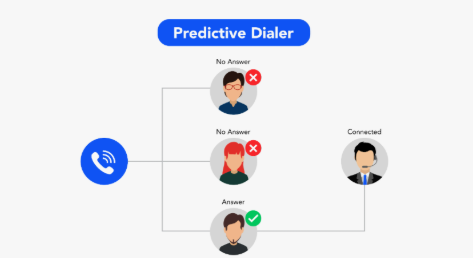
On the other hand, predictive dialer software works more aggressively. It dials multiple numbers at once, predicting when an agent will become available. The goal is simple—keep agents talking as much as possible.
Sounds efficient, right? It is… until it isn’t.
A Quick Real-World Scenario
One of my clients ran a mid-sized outbound sales team for insurance. They started with a predictive dialer setup, hoping to increase daily call volume.
Initially, numbers jumped. More calls. More connections.
But within weeks, complaints started coming in. Customers were picking up calls and hearing silence. Agents were getting overwhelmed with back-to-back conversations. Quality dipped. Conversions followed.
We switched them to progressive dialer software.
Call volume dropped slightly, but conversations improved. Agents had a few seconds to breathe, check details, and actually engage. Within a month, conversion rates climbed back—higher than before.
That’s the trade-off most teams don’t see coming.
Control vs Speed
If I had to explain it simply over coffee, I’d say this:
- Progressive dialer = control
- Predictive dialer = speed
With a progressive setup, you know exactly what’s happening. Every call is intentional. Agents aren’t rushed into conversations they’re not ready for.
With a predictive system, you’re chasing volume. It works well when you have a large team and a high tolerance for risk—like dropped calls or uneven pacing.
Neither is wrong. It depends on what you’re trying to fix.
Agent Experience Matters More Than You Think
This part often gets ignored.
People assume dialing software is just about numbers. It’s not. It shapes how your team feels during the day.
With predictive dialer software, agents are constantly on edge. Calls come in rapidly. There’s little room to prepare. Great for experienced agents who can think fast. Not ideal for new hires or teams handling complex conversations.
With progressive dialer software, the pace is more natural. Agents get a brief moment between calls. Enough to check notes, adjust their tone, or just reset mentally.
That small gap? It makes a difference by the end of the day.
Call Quality vs Call Quantity
I’ve seen teams chase higher call counts thinking it automatically means better results.
It doesn’t.
Predictive dialing can push call numbers up, no doubt. But if your leads require context, personalization, or even a slightly thoughtful pitch, rushing into conversations hurts more than it helps.
Progressive dialing keeps things balanced. Fewer calls, maybe. Better conversations, usually.
And in most industries—real estate, finance, B2B services—that’s what actually drives revenue.
When Predictive Dialing Works Best
To be fair, predictive dialer software has its place.
It works well when:
- You’re handling large-scale campaigns
- Scripts are simple and repeatable
- Your team is experienced and fast-paced
- Dropped calls won’t damage your brand much
Think telemarketing, surveys, or mass outreach campaigns.
In those cases, speed wins.
When Progressive Dialing Makes More Sense
Now flip the scenario.
If your calls involve:
- Explaining products
- Handling objections
- Building some level of trust
Then progressive dialer software usually performs better.
It gives agents just enough control to stay sharp without slowing them down completely.
I’ve seen this work especially well for startups and growing teams. You don’t need chaos when you’re still figuring out your messaging.
The Hidden Cost People Miss
Here’s something that doesn’t show up in reports.
Predictive systems can create “dead air” calls—where a customer answers, but no agent is available immediately. Even a couple of seconds of silence feels awkward.
Some customers hang up. Others get annoyed.
Over time, that affects brand perception. Quietly, but consistently.
Progressive dialing avoids that completely. Every answered call connects directly to an agent.
No awkward pauses. No confusion.
So, Which One Should You Pick?
If your goal is to push volume at scale and your team can handle the pace, predictive dialer software will get you there faster.
If you care about conversation quality, agent comfort, and steady results, progressive dialer software is the safer bet.
Most teams I’ve worked with eventually settle somewhere in between. They start with progressive dialing, build a strong process, then experiment with predictive dialing once the team is ready.
That shift works better than jumping straight into high-speed dialing and hoping things don’t break.
A Thought Before You Decide
The tool itself isn’t the solution. It just amplifies how your team already works.
If your scripts are weak, a faster dialer won’t fix it. If your agents aren’t confident, more calls won’t help.
Pick the system that matches your team’s reality—not the one that sounds more advanced.
Because in the end, it’s not about how many calls you make.
It’s about what happens when someone picks up.